Wastewater Treatment Chemical About
Water Treatment Chemicals are used to improve water quality by removing impurities, controlling scale, corrosion, microorganisms, and adjusting pH.
Common types include:
-
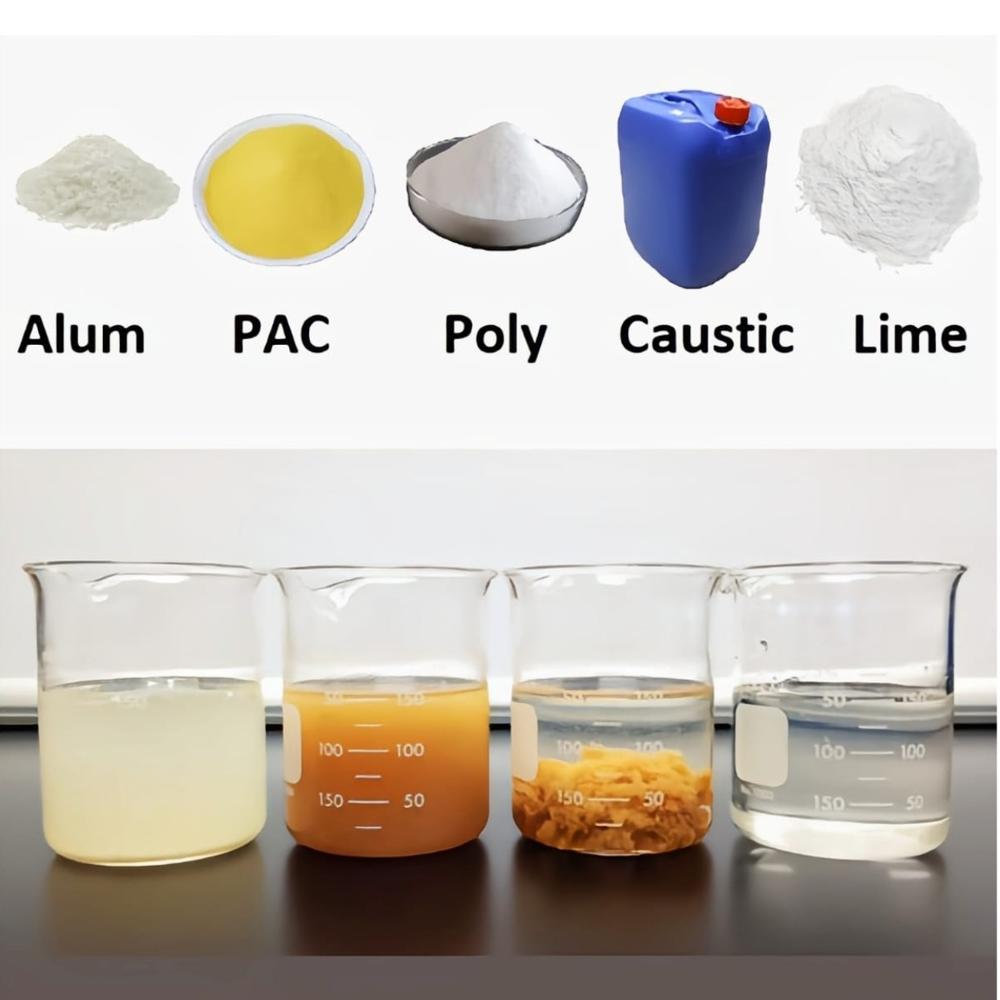
Coagulants & Flocculants: Alum, Ferric Alum, PAC, Polymers
-
pH Control Chemicals: Lime, Caustic Soda, Sulphuric Acid
-
Disinfectants: Chlorine, Bleaching Powder, Sodium Hypochlorite
-
Scale & Corrosion Inhibitors
-
Biocides & Algaecides
-
Defoamers & Antiscalants
These chemicals are widely used in STP, ETP, WTP, cooling towers, boilers, and RO plants.
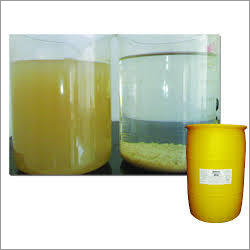
Efficient Industrial Wastewater PurificationOur treatment chemical is expertly formulated to tackle a wide range of industrial pollutants. It initiates coagulation, neutralizes hazardous agents, and adjusts pH levels, drastically improving water quality. Its high purity ensures minimal residue, while its liquid form allows for easy dosing and thorough mixing within treatment systems. Applicable across multiple industries, it supports compliance with environmental regulations and aids in the responsible recycling or discharge of processed water.
Easy-to-Use and Store SolutionDelivered as a colorless liquid, this chemical is straightforward to handle and apply. Its stability means it can be kept in regular industrial storage conditions-simply ensure the area remains cool and dry. The one-year shelf life provides operational flexibility, allowing for cost-effective bulk purchases and efficient inventory management. Clear labeling and mild odor further enhance user safety and convenience.
FAQ's of Wastewater Treatment Chemical:
Q: How should the Wastewater Treatment Chemical be applied in industrial systems?
A: Typically, the chemical is dosed directly into industrial wastewater streams using automated or manual dosing pumps. The required amount depends on the pollutant load, desired outcome (such as coagulation or pH adjustment), and system specifications. Always consult with your provider's technical guidelines for precise application rates.
Q: What benefits does this treatment chemical offer for industrial wastewater management?
A: The high purity and solubility ensure effective removal of contaminants, supporting compliance with discharge standards and protecting the environment. Its action aids coagulation, disinfection, and pH control, all essential steps for reducing toxicity and improving recycled water quality.
Q: When should this chemical be used during the wastewater treatment process?
A: It is generally introduced after initial screening or separation of solid waste, but before final treatment steps. The exact stage varies depending on whether the chemical's main role is coagulation, pH adjustment, or disinfection in your facility's process.
Q: Where is the best place to store the chemical to maintain its stability and shelf life?
A: To ensure maximum stability and effectiveness, store the chemical in a cool and dry location, away from direct sunlight and incompatible substances. Keep the storage area well-ventilated and clearly labeled.
Q: What is the process by which this chemical treats wastewater?
A: Upon addition, the chemical interacts with dissolved impurities, causing them to aggregate (coagulate) for easier removal, neutralize harmful pH levels, or eliminate pathogens. This facilitates subsequent filtration, sedimentation, or disinfection steps in the treatment cycle.
Q: How does the chemical's pH affect its usage and application?
A: Our product is available in acidic, neutral, or alkaline forms to suit specific treatment needs. Selection of pH should match the requirements of your wastewater characteristics to optimize treatment efficiency and safeguard downstream processes.





 Send Inquiry

 Send Inquiry


 English
 Spanish
 French
 German
 Italian
 Chinese (Simplified)
 Japanese
 Korean
 Arabic
 Portuguese