Polyelectrolyte Powder About
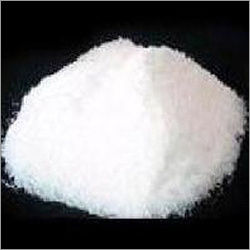
We are a well known manufacturer of Polyelectrolyte Powder in the market. It can be used to impart a surface charge to neutral particles, enabling them to be dispersed in aqueous solution. Polyelectrolyte Powder is thus often used as thickeners, emulsifiers, conditioners, clarifying agents, and even drag reducers. This powder is used in water treatment and for oil recovery.
Superior Performance in Water TreatmentPolyelectrolyte Powder delivers exceptional results in water and wastewater treatment processes. Its ability to flocculate and separate impurities ensures clearer water, enhanced sludge dewatering, and efficient removal of suspended solids. Highly compatible with various water chemistries, this polymer is designed for professionals seeking reliable and robust solutions.
Multi-Industry ApplicationsWith applications spanning the paper, textile, mining, and municipal sectors, Polyelectrolyte Powder is engineered for operational flexibility. Whether you are handling process water, industrial effluent, or sludge management, this product streamlines treatment, helps reduce environmental impact, and optimizes process efficiency.
Safe Handling and StorageThis product is supplied as a low-moisture (<10%), non-toxic, amorphous powder. With no distinguishable taste or smell, it ensures safe handling under correct use. For best results, store in a cool, dry, well-ventilated area in its original sealed packaging. This practice preserves its efficiency and prolongs shelf life.
FAQ's of Polyelectrolyte Powder:
Q: How do you use Polyelectrolyte Powder in water treatment processes?
A: To use Polyelectrolyte Powder, dissolve the recommended dose in water to prepare a stock solution (pH 6.0-8.0), then introduce it into the water treatment system. The solution enables flocculation or coagulation, facilitating the separation of suspended solids and impurities.
Q: What benefits does Polyelectrolyte Powder offer compared to traditional coagulants?
A: Polyelectrolyte Powder offers superior flocculation, lower sludge volumes, and faster sedimentation. Its non-toxic, odorless, and tasteless qualities make it safer and more environmentally responsible than many traditional chemicals.
Q: Where can Polyelectrolyte Powder be applied?
A: This product is widely used in water and wastewater treatment, sludge dewatering, as well as in the paper, textile, and mining industries. Its compatibility with varied water chemistries allows broad application across industrial and municipal sectors.
Q: What is the recommended storage practice for Polyelectrolyte Powder?
A: Store Polyelectrolyte Powder in a cool, dry, ventilated area, keeping the packaging sealed to protect against moisture and prolong shelf life. Avoid exposure to direct sunlight or high humidity.
Q: Is Polyelectrolyte Powder safe to handle and use?
A: Yes, when used at recommended concentrations, it is non-toxic, odorless, tasteless, and safe to handle. Normal industrial hygiene practices, such as wearing appropriate protective gear, are recommended during handling.
Q: When should a user select between anionic and cationic forms of Polyelectrolyte Powder?
A: The selection depends on the nature of the charged particles or impurities in the process. Anionic types are ideal for treating positively charged contaminants, while cationic forms are typically suitable for negatively charged particles or organic matter.






 Send Inquiry

 Send Inquiry


 English
 Spanish
 French
 German
 Italian
 Chinese (Simplified)
 Japanese
 Korean
 Arabic
 Portuguese